Do Names Really Shape Attraction?
Verdict first: names do carry real, measurable signals — but about first impressions, not soulmates. Sound symbolism and pronunciation fluency genuinely sway how strangers perceive a name within seconds. None of it means a name match predicts love; all of it means your name matters more than a calculator gives it credit for.
The bouba/kiki effect: sounds have shapes
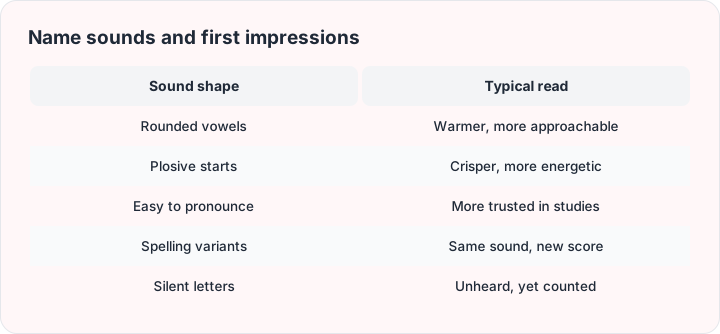
One of psychology's most replicated party tricks: show people a rounded blob and a spiky shape, ask which is "bouba" and which is "kiki", and 90%+ map round sounds to round shapes — across cultures, ages and languages. Names ride the same machinery. A name full of rounded vowels (Lola, Molly, Nova) lands on the ear one way; a spiky, plosive one (Kiktavna) another. That's not romance — it's your auditory cortex doing typography.
Pronunciation fluency buys trust
Studies on name fluency keep finding the same pattern: names that are easier to pronounce tend to be judged as more trustworthy and likable — the "processing fluency" effect at work. It's shallow, it's real, and it explains why stage names exist. It also explains a love-calculator truth this site wears openly: re-spelling a name genuinely changes its signature, because the engine reads letters and letters are the whole show.
What names don't predict
For the avoidance of doubt: no replicated study shows name similarity predicts relationship success. The famous "implict egotism" findings (people gravitating toward partners who share their initials) largely dissolved under replication scrutiny. What remains is a fun footnote, not a law of attraction — which is why this site's calculator scores entertainment value, not destiny, and says so on every page.
The practical takeaway: your name shapes first impressions in small, real ways — how it sounds, how easily it rolls off a stranger's tongue. How a relationship goes is decided by later, better signals: what you do when the other person has a bad day, whether you listen more than you wait to talk, whether kindness survives a stressful week. Names open doors; behavior keeps them open — and keeps them open for decades.