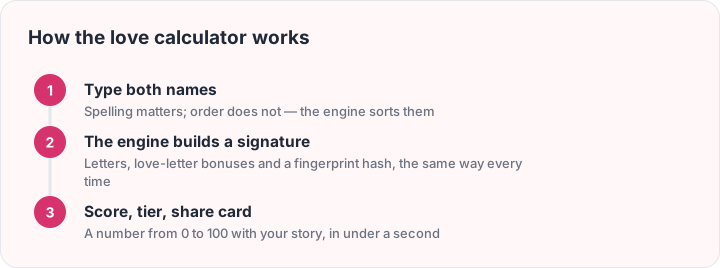
Same names, same score — the part the classics got wrong
Love calculators have been a fixture of the internet since the nineties, and the most famous one still runs the same formula it did when dial-up was normal. But refresh its result page and the randomness underneath shows. This rebuild fixes the one thing that matters for playing together: the score is a pure function of the two names. You and your partner can test from different phones, different cities, different years — the number agrees with itself every time.
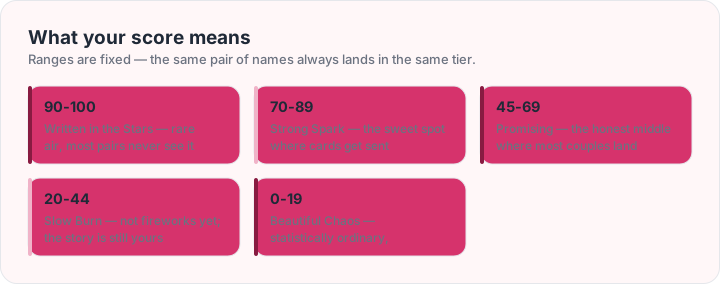
Built to be shared, honest about being a game
Every result comes with a share card — a 1080×1350 image with the names, the score and the verdict, sized for stories and group chats. The card is drawn in your browser; the names never touch a server. And because a score without context is just a cold number, each tier ships with copy that knows what it is: a party game with good manners. For the deeper questions — like what actually predicts a lasting couple — the compatibility guide separates the fun from the research.
Start anywhere
New here? Type two names above and you're done in a second — or take a detour: score famous couples, see how the number is made, or learn what to send afterwards in the after-the-test guide. Every page works without an account, offline once loaded, and on any phone from the last decade.